
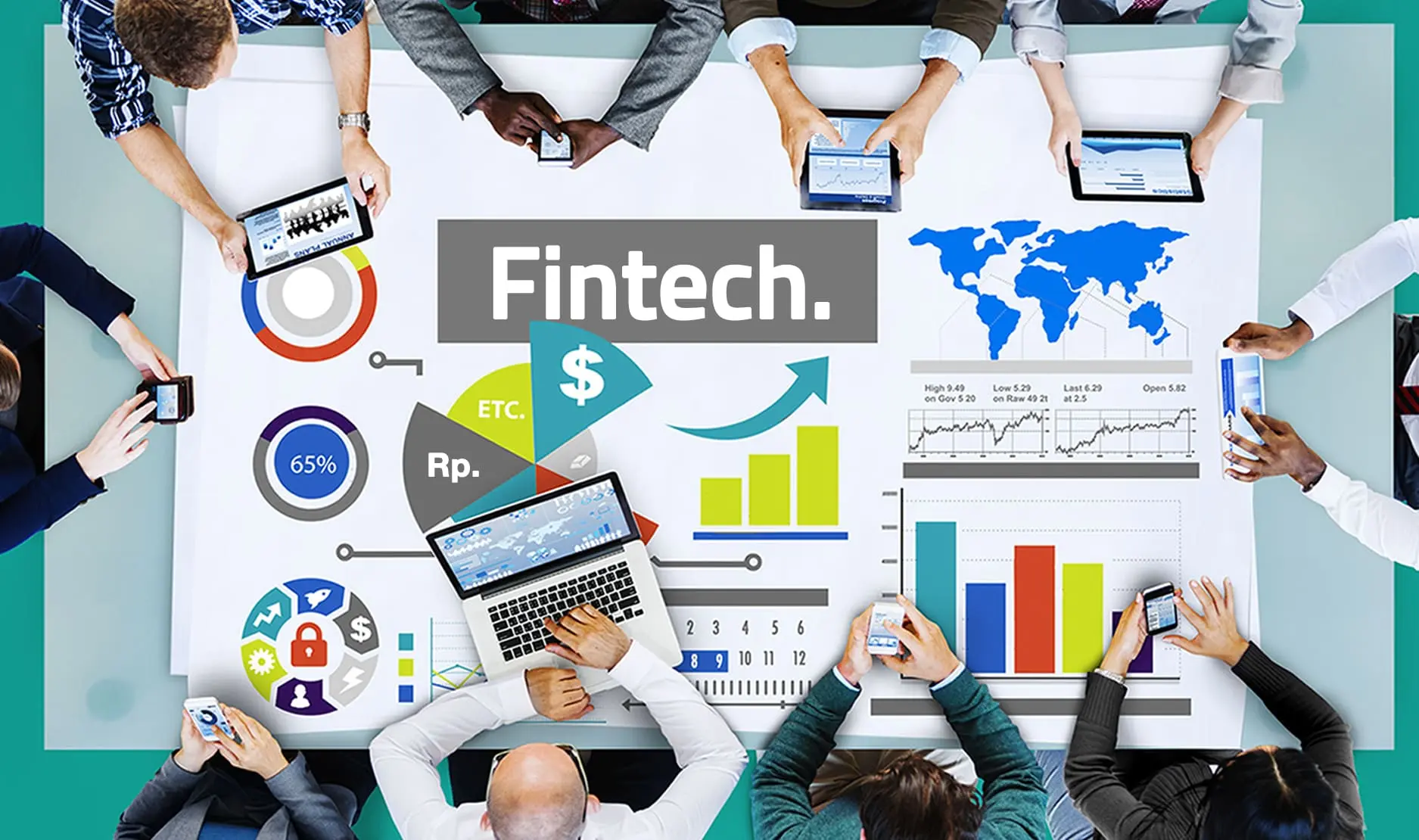
As we approach 2026, Fintech innovations are transforming the way startups handle their finances. From digital banking solutions to automated financial management tools, the landscape for managing business finances is evolving rapidly. For startups, there’s little more daunting than dealing with cash flow and funding and it doesn’t help that fintech services change the way we handle our money on a near daily basis. In this article we will discover how startups can utilize Fintech solutions to optimize their business operations in 2026 and beyond.
Why Fintech is Essential for Startups in 2026
1. Streamlined Financial Operations
Managing finances manually is time consuming and prone to errors. Fintech in 2026 Startups will have automation financial tools for operation efficiency by Fintech startups. They streamline financial process, making accounting, bookkeeping, invoicing and financial reporting a breeze and automatic operation so that you are left with enough time to concentrate and dedicate your efforts to growing your business further. Startups have the opportunity to connect with cloud-based Fintech solutions, meaning that they gain full visibility into their financial data this instant and can make quick decisions based on current facts.
2. Access to Capital and Funding
And one of the most significant hurdles for startups is obtaining funding. Digital lending platforms and crowdfunding have made it simpler for startups to obtain capital with the help of fintech. In 2026, options such as Kiva, Fundbox and Nav will still provide alternative funding sources that circumvent the traditional bank, providing more possible ways for startups to fundraise.
Startups can also look for peer-to-peer lending and equity crowdfunding platforms, which enable them to raise money from a broader range of investors.
Top Fintech Innovations for Startups in 2026
1. Fintech Solutions for Small Business Management
With the rise of Fintech solutions for small businesses, startups can handle various financial aspects such as accounting, payments, and financial forecasting. Featured with AI and Machine Learning technology, these tools automate your daily task, enhances financial visibility and delivers smarter insights. Accounting Software like QuickBooks, Xero and Wave are going to be more valuable for start-ups who want to streamline their financials.
Additionally, such solutions offer financial reporting that enables businesses to track their cash flow and expenses while staying compliant with tax regulations, saving time, money and compliance headaches.
2. Digital Banking and Fintech Payment Solutions
Startups will be banking digital in 2026. The often slow, clunky, face-to-face banking experience could become simpler and more transparent if digital challengers like Revolut (in the U.K.) or Chime (U.S.) scale faster than outdated incumbents such as HSBC or Citi. Startups can utilize these platforms to administer payments, monitor expenses and, yes, even receive business cards without ever visiting an analog bank.
Additionally, Fintech payment alternatives such as Stripe and Square would continue to be crucial for startups that leverage e-commerce or digital services. These services give companies the ability to take payments on the Web, streamline invoicing and easily manage subscriptions.
3. Automated Financial Management Tools
As a startup grows, so does the degree of complexity involved in managing finances by hand. AI-fueled automated financial management tools will work to save startups time in 2026, providing them with automation for expense categorization, tax-filing, and even financial forecasting. By 2026, products such as Expensify, FreshBooks and Zoho Books will enable startups to record expenses, reconcile accounts and produce financial reports with the click of a button.
These utilities will also assist startups in keeping their financial house in order, spotting trends, and preventing costly mistakes.
4. Fintech Business Funding Platforms
Startups will continue to focus on funding. Fintech business funding platforms will evolve in 2026, with some offering alternative means of financing including microloans, instead angel investors and venture capitalists. Companies such as draftcq Fundbox, Kiva and Nav offer capital without the red tape of bank loans, accelerating funding for startups.
Peer-to-peer lending platforms will also be hit next year, because they enable startups to take out a loan directly from investors rather than financial institutions. Equity Crowdfunding will also enable start-ups to raise funding from a wide base of small investors.
Challenges Startups Face with Fintech Solutions

Even though fintech has many advantages, not all startups would enjoy an easy ride on the way down Fintech Street Here are some of the challenges startups will face while using these tools in 2026:
1. Security and Compliance
Startups will have to worry about keeping their financial data safe as more and more startups use fintech solutions. Protecting against data breaches and fraud will also be in the spotlight for cybersecurity. Startups must also navigate the complex world of financial regulations to ensure that they remain compliant with local and international laws, such as GDPR and PCI DSS.
2. Integration with Existing Systems
Several startups also already rely on legacy systems to handle their finances, and finding a way to incorporate all their existing solutions with Fintech apps could be problematic. It is important to keep the Fintech solutions selected by startups as far away from these situations, and be manageable with what the company is already used to so that new technologies do not become a disruption, but a facilitator of operations.
3. Choosing the Right Fintech Solution
Startups can be saturated by the great number of Fintech products on offer in 2026. It all comes down to picking the same platform that fits their business model, financial goals and scalability. First of all, startups need to compare the pricing, features, user interface (UI), and support prior to choosing any system.
Best Practices for Fintech in 2026

1. Focus on Scalability and Flexibility
Startups should prioritize scalable and flexible Fintech solutions that can grow with their business. As businesses expand, their financial needs will change, and it’s essential to adopt tools that can accommodate this growth without requiring a complete overhaul of the financial system.
2. Invest in Financial Literacy
Even with the best Fintech tools, startups need to invest in financial literacy to ensure they understand how to effectively use these tools. Educating the team on financial management principles, budgeting, and financial forecasting will empower them to make smarter decisions and optimize the use of Fintech solutions.
3. Choose Security-First Solutions
Given the importance of data security in the Fintech space, startups should prioritize platforms with robust security features. Look for solutions that offer two-factor authentication (2FA), data encryption, and real-time fraud detection to protect sensitive financial data.
Embrace Fintech to Handle Startup Finances in 2026
Fintech will give start-ups a helping hand into the new decade into 2020, and fintech advances are again expected to enable start-ups to process their finances quicker and easier. Whether it’s in the form of digital banks or automated personal financial management products, alternative funding networks or artificial intelligence businesses, startups will be equipped better to run their finances, raise money and build more profitable companies. With the adoption of appropriate Fintech solutions, startups can create new openings and efficiencies in financial dealings and gain a foothold for their long-term survivability in an ever-growing digital environment.